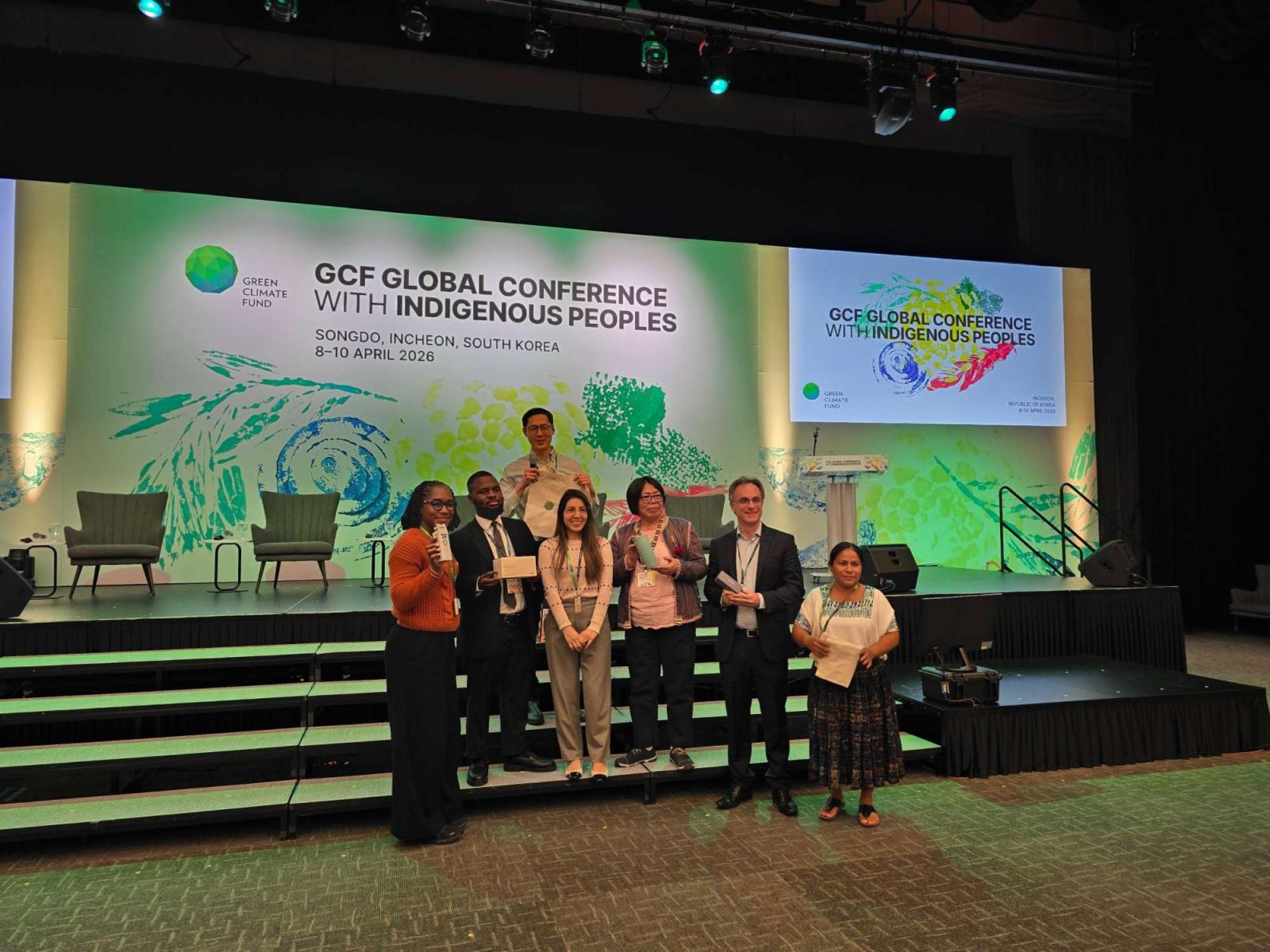
Underscoring grievance redress at GCF Indigenous Peoples Conference
Green Climate Fund (GCF) projects are designed to deliver positive impact for all communities. However, even the best intentions can sometimes lead to unintended consequences. Indigenous Peoples (IPs), in particular, play a critical role in protecting ecosystems and responding to climate change, yet often face disproportionate impacts from climate‑related projects on their lands and territories.
The Independent Redress Mechanism (IRM) recently participated in the GCF Indigenous Peoples Conference, hosted in Songdo, South Korea from 8-10 April 2026. The conference was aimed at bringing together Indigenous Peoples, National Designated Authorities (NDAs) and Accredited Entities to strengthen multi-stakeholder collaboration and deepen understanding of GCF’s engagement with Indigenous Peoples.
The IRM hosted a lunchtime side event that started with an overview of the IRM by Peter Carlson, IRM Communications Specialist. He discussed GCF’s ecosystem of redress, the IRM’s five main functions and the relevance of the GCF’s Indigenous Peoples policy on the IRM’s work.
Next, Preksha Kumar, IRM Registrar and Compliance Specialist, explained how the IRM handles complaints through both Problem Solving and Compliance Review processes and then shared examples of previous IRM cases involving Indigenous Peoples.
After a series of questions from participants, the IRM had the participants play its “Road to Redress” board game, further emphasizing the different stages of the IRM case handling process and hypothetical scenarios that a complainant might encounter.
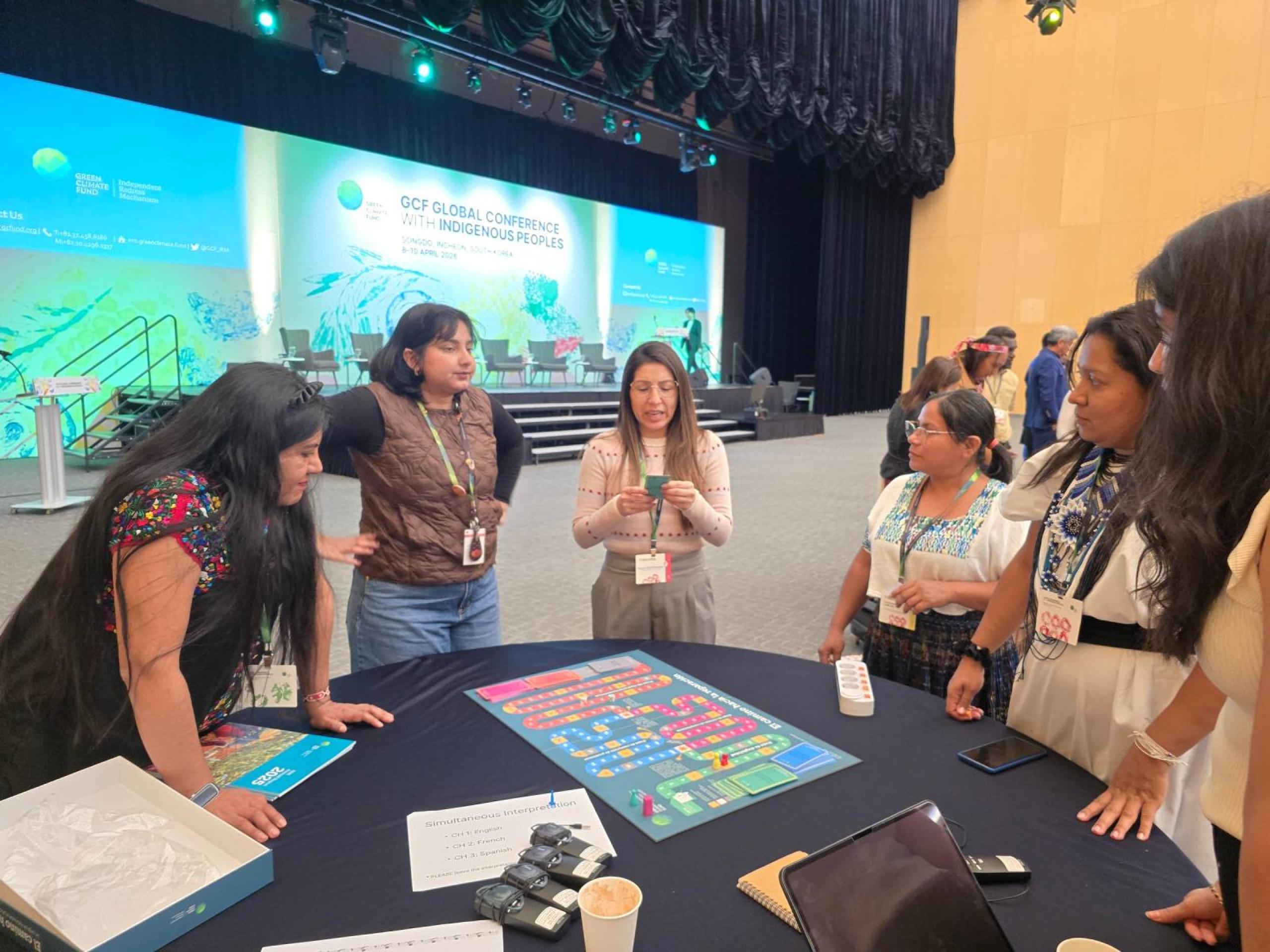
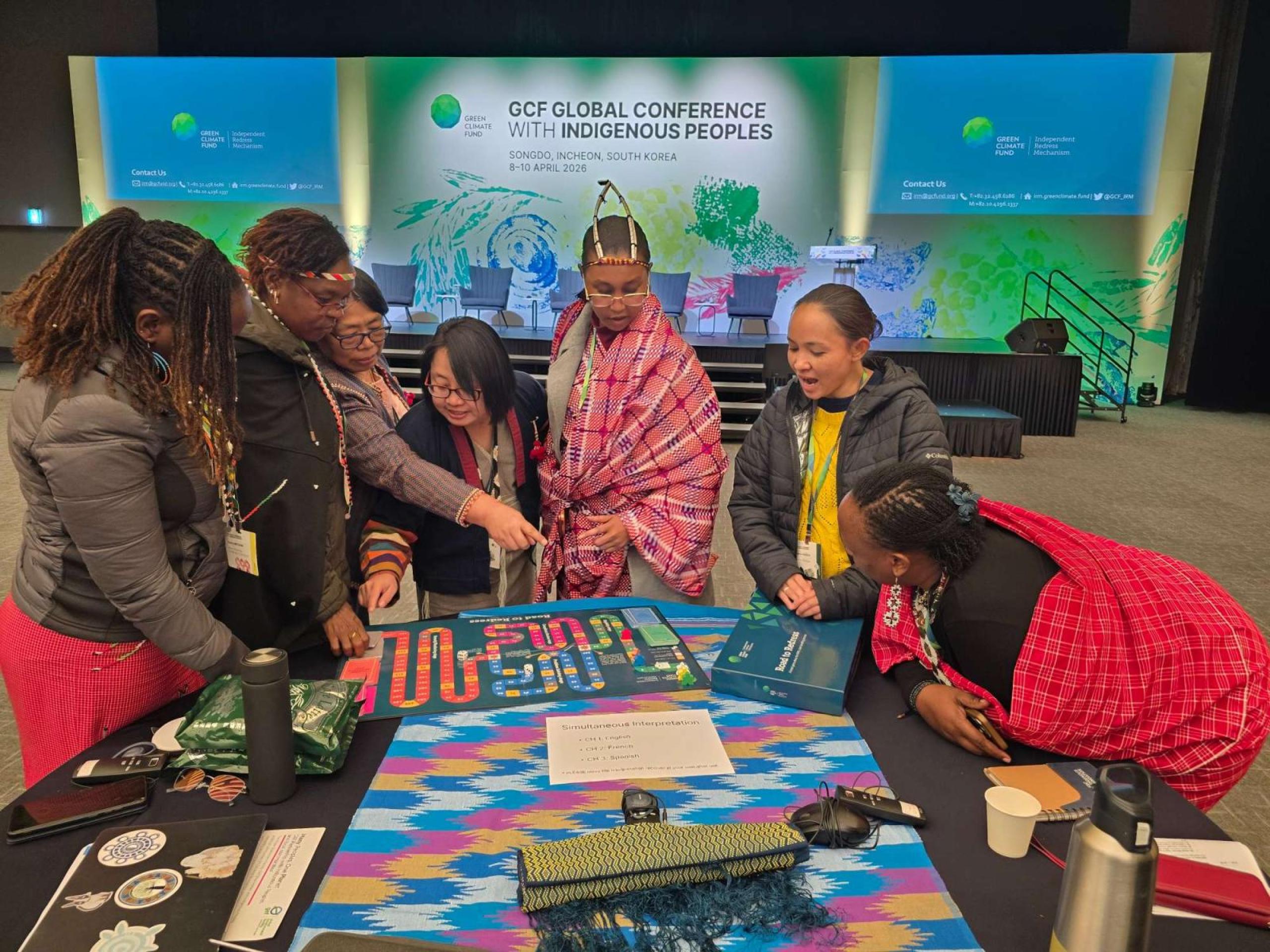
This event allowed the IRM to engage directly with Indigenous Peoples and other stakeholders, raise awareness of GCF’s grievance redress options, and reaffirm its commitment to accessible accountability for Indigenous Peoples affected by GCF‑financed activities.